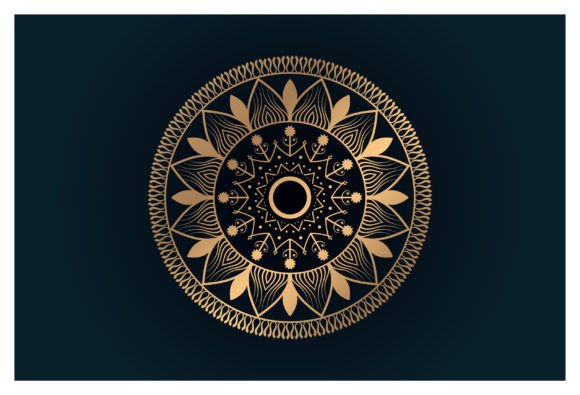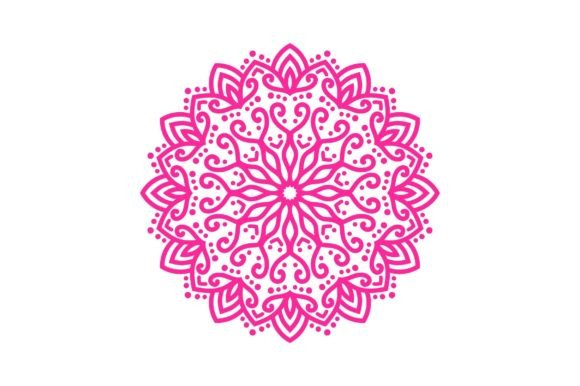
Unlocking the Decorative Ornamental Mandala Design for Your Projects
There is a specific kind of visual magnetism found in a well-crafted mandala. It pulls the eye inward, suggests balance, and carries an inherent sense of tradition fused with artistic complexity. When you encounter a resource like the Decorative Ornamental Mandala Design, you aren't just looking at a static image; you are looking at a versatile tool for branding and storytelling. This collection offers a distinct visual language—four different styles ranging from intricate geometric webs to softer, floral-inspired arrangements. Whether you are a small business owner refining your brand identity or a graphic designer building a library of design assets, understanding how to leverage these vectors is key to creating work that feels both premium and purposeful.
The Visual Language of the Mandala
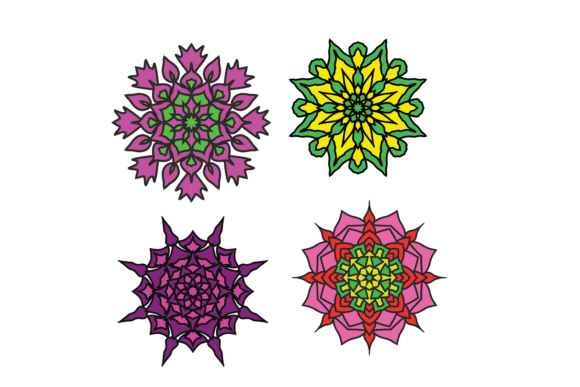
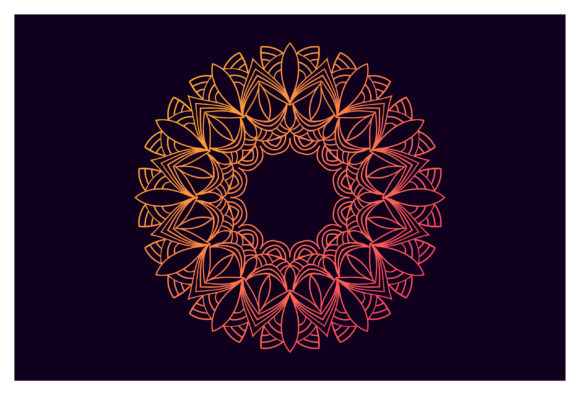
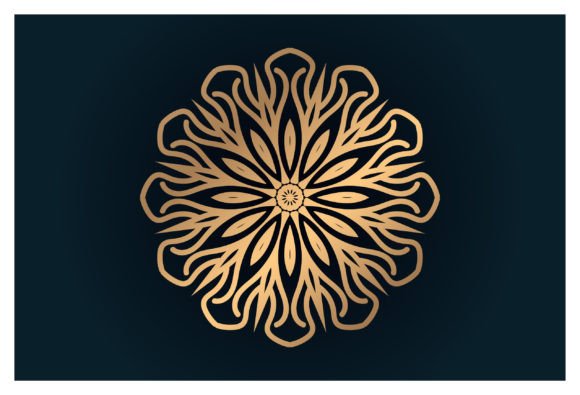
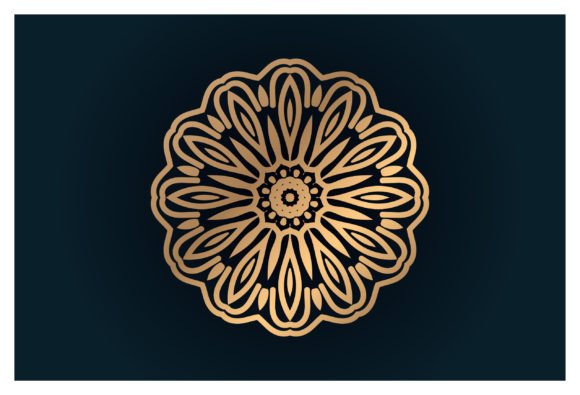
At its core, the Decorative Ornamental Mandala Design is defined by radial symmetry. It’s a visual rhythm that repeats outward from a central point, creating a hypnotic effect. However, the specific package you are working with offers variety. You likely have styles that range from sharp, precise linework—perfect for a modern, technical aesthetic—to more organic, hand-drawn feels that evoke warmth and craftsmanship.
What makes this specific set valuable is the versatility of the four distinct styles. One style might feature dense, heavy ornamentation suitable for high-contrast logo design, while another might use delicate, thin strokes better suited for watermarking photography or creating subtle background textures. As a designer, recognizing the "personality" of each style is your first step. Does the design feel regal and vintage, or does it feel contemporary and spiritual? This visual personality will dictate the rest of your project, influencing everything from your color palette to the typeface you choose to pair with it.
Practical Applications: Beyond the Background
It is easy to relegate ornamental vectors to the background of a composition, but the Decorative Ornamental Mandala Design deserves a more prominent role in many scenarios. For entrepreneurs and marketers, these designs are not just filler; they are strategic assets.
Brand Identity and Logo Design
A mandala can serve as a powerful central element for a brand mark, particularly for businesses in wellness, beauty, lifestyle, or artisanal crafts. Because the design is symmetrical, it conveys stability and trust—two pillars of strong brand identity. When using this for a logo, consider the scalability. The provided SVG and AI files are crucial here. Unlike raster images, these vector formats ensure that whether your logo is on a business card or a billboard, the ornamental details remain crisp. You can manipulate the anchor points in Adobe Illustrator to customize the shape, perhaps hollowing out the center to house a monogram or brand initial.
Packaging and Editorial Design
In packaging design, a mandala can elevate a product from shelf-stable to shelf-stopping. Imagine a candle box or a tea tin where the mandala occupies the entire lid. The intricate details suggest that the product inside is equally refined. For editorial design, such as magazine covers or book jackets, a mandala can frame a title beautifully, drawing the reader's eye directly to the text. This works exceptionally well when you need to fill negative space without making the layout feel cluttered.
Digital Presence and Social Media
The digital realm loves the mandala. For web design, these vectors can be used as hero images or subtle background patterns that tile seamlessly. They add texture and depth to a flat screen. On social media graphics, the mandala is a scroll-stopper. It can be used to frame quotes, create circular profile masks, or serve as a unifying visual element for Instagram Stories. Because the package includes high-quality JPGs and PNGs, you have ready-to-use assets for quick content creation, while the vector files allow for deeper customization in your design software.
Typography and Visual Hierarchy
One of the most common pitfalls when working with highly detailed decorative elements is poor typography pairing. A mandala is visually "busy." If you pair it with a complex script font or a highly stylized handwritten font, the result is often visual chaos where neither the text nor the image can be read.
To create effective visual hierarchy, contrast is your best friend. If you are using the Decorative Ornamental Mandala Design as a central graphic, pair it with a clean sans serif font. The geometric simplicity of a sans serif allows the ornamental details of the mandala to shine without competition. Conversely, if you are using a simplified version of the mandala as a border or frame, a classic serif font can bridge the gap between the ornate design and the modern content, lending a sense of modern typography mixed with tradition.
Consider the negative space within the mandala itself. If you are overlaying text, ensure there is enough contrast. Often, placing text inside a mandala requires a solid color block or a reduction in the mandala's opacity to maintain readability. The goal is to use the mandala to enhance the message, not obscure it.
Evaluating the Asset Package
When you acquire a resource like this, you are buying more than just an image; you are buying flexibility. The inclusion of an AI file (Adobe Illustrator CS10) and an EPS file is a significant advantage for professional designers. These formats allow for total control. You can change the stroke weights, alter the colors to match specific brand hex codes, or break the design apart to use individual elements—like a single petal or geometric curve—as standalone icons.
The provision of 4 high-quality JPG and PNG files means you have immediate utility for clients or projects that don't require editing. The PNGs are particularly valuable for social media graphics and web overlays because they support transparency, allowing the mandala to sit on top of any background color or photograph seamlessly.
Choosing the Right Style for Your Audience
Not all audiences respond to the same visual cues. When selecting which of the four styles to use, consider who you are talking to.
- For the Luxury or Wellness Market: Opt for the style with the most intricate, flowing lines. This suggests mindfulness, attention to detail, and premium quality. It pairs well with gold foil textures or soft, pastel color palettes.
- For the Tech or Modern Market: Choose the style that feels more geometric and rigid. This aligns with the precision associated with technology and engineering. Pair this with stark black and white or neon color schemes for a futuristic vibe.
- For Artisanal or Handmade Goods: Look for the style that mimics woodblock printing or hand-carving. This "imperfect" aesthetic builds trust with audiences looking for authentic, human-made products.
Ultimately, the Decorative Ornamental Mandala Design is a premium font asset in the sense that it provides high-end visual complexity usually reserved for custom illustration. By integrating these files into your workflow—whether for web design